About Mechanical Expanding Shaft
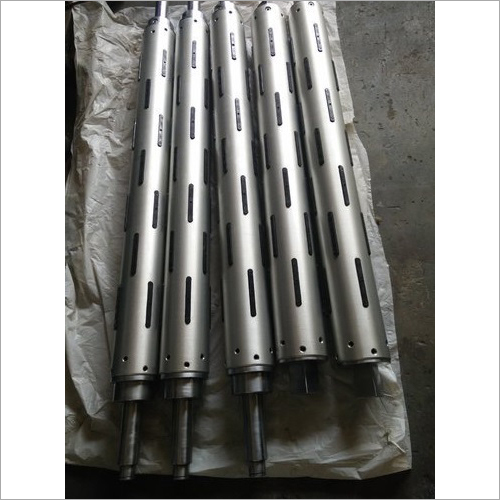
Hand Operated Mechanical Expanding Shaft. Use For Winding and Unwinding Process Of Paper, Cloth or Plastic Sheet. A Mechanical Expanding Shaft delivers superior performance for Winding & Rewinding application in the widest range of roll handling process. Shaft is highly beneficial with cores that has uneven inside diameter. Shaft that we offer is appreciated for true concentric expansion, fail safe operation and positive lug retraction. It is designed with greater structural strength and a powerful expansion mechanism to handle the heaviest roll weights at high speeds. The Mechanical Expanding Shaft is very efficient and durable.
Precision Engineering for Demanding IndustriesOur mechanical expanding shaft is designed for high-precision web handling required by modern printing, slitting, coating, and lamination machines. Each shaft undergoes meticulous machining, dynamic balancing, and surface hardening processes, ensuring impeccable roundness (0.01 mm) and durability. With the capacity to withstand operational temperatures of up to 120C and loads up to 2000 kg, this solution meets the strictest industrial standards.
Versatile Customization & End FittingsChoose from polished or matt finishes, various coatings like anodized or hard chrome, and tailor the shaft's diameter (typically 50, 70, 76 mm, or as needed) and length (500-6000 mm) to your process. End shaft adapters or journals can be configured to fit your existing setup, further simplifying integration. No matter how unique your requirement, the shaft can be precisely customized in terms of dimensions and features.
Reliable Performance with Minimal UpkeepThe shaft's design emphasizes ease of use and low maintenance, making it an ideal fit for demanding, continuous operations. Its hardened and anodized or chrome-plated surfaces offer strong resistance to wear and corrosion, while the sturdy expanding lugs and secure grips ensure stable, vibration-free running at high speeds. Investing in this product guarantees long-term performance and reduced downtime.
FAQ's of Mechanical Expanding Shaft:
Q: How does the lug type mechanical expanding shaft operate in web handling machinery?
A: The lug type mechanical expanding shaft uses an internal expanding mechanism where lugs extend outward to firmly grip the core as the shaft is rotated. This ensures stable and slip-free holding of rolls during web processing in printing, slitting, rewinding, lamination, and coating machines.
Q: What options are available for the number of lugs and how do I choose the right configuration?
A: The shaft can be supplied with 6, 8, or 10 lugs, selected based on the core diameter, roll weight, and application requirements. More lugs generally provide improved grip and are preferable for larger or heavier rolls, enhancing stability during high-speed operation.
Q: When is it necessary to customize the shaft dimensions or surface finish?
A: Customization is recommended when your core sizes, machine setup, or handling requirements differ from standard specifications. Customers can request specific lengths (500-6000 mm), diameters, thickness, polished or matt finish, and coating type to perfectly match their operational needs and improve integration.
Q: Where can the expanding shaft be used beyond printing and slitting machines?
A: Besides web handling, printing, and slitting machines, these shafts are suitable for coating units, lamination machines, and any industrial setup requiring secure and precise roll holding, especially where high loads, frequent roll changes, and reliable performance are necessary.
Q: What maintenance does this shaft require and what are the benefits of its design?
A: The shaft is engineered for low maintenance, typically requiring only periodic inspection and cleaning. Its robust materials, wear-resistant coatings, and dynamic balancing reduce wear and vibration, minimizing downtime and extending operational life.
Q: How does the dynamic balancing feature benefit high-speed operation?
A: Dynamic balancing ensures the shaft rotates smoothly without vibrations, even at high speeds. This feature reduces stress on the machinery, improves the quality of finished rolls, and promotes operator safety.
Q: What materials and coatings are available for these shafts, and what advantages do they offer?
A: Options include M.S., steel, and aluminum alloy, each providing strength, durability, or lighter weight depending on application. Surface coatings like anodized or hard chrome enhance corrosion resistance, surface hardness, and lifespan, allowing the shaft to withstand demanding conditions.




 English
 Spanish
 French
 German
 Italian
 Chinese (Simplified)
 Japanese
 Korean
 Arabic
 Portuguese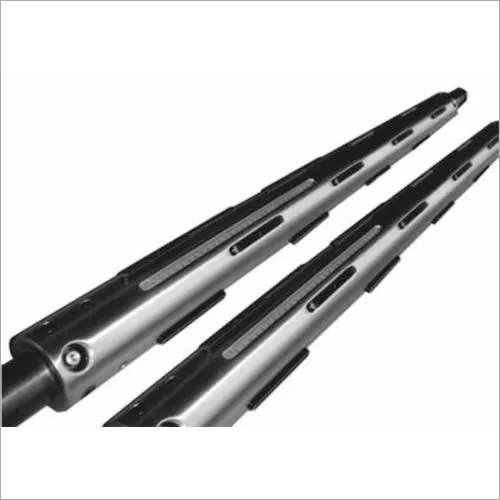

 Send Inquiry



 Send Inquiry
 Send Inquiry
 Send SMS
 Call Me Free



